The Silent Engine: How Remittances Shape the Zimbabwean Economy
1. Defining Remittances in the Zimbabwean Context
In economic terms, remittances are private transfers of money or goods by migrants (the Diaspora) to their families or communities in their country of origin. In Zimbabwe, these flows are categorized into two main streams:
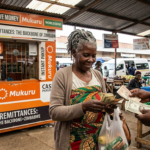
- Formal Remittances: Funds sent through registered Money Transfer Agencies (MTAs) such as Mukuru, WorldRemit, Western Union, and commercial banks.
- Informal Remittances: Money or “in-kind” goods (groceries, fuel, appliances) sent via cross-border transport operators, popularly known as Malayitshas, or through friends and relatives.
By 2024, formal diaspora remittances in Zimbabwe had reached approximately US$2.1 billion annually, representing nearly 15% of the country’s total foreign exchange receipts.
2. Contributions to Economic Growth
Remittances have shifted from being a social safety net to a driver of GDP and macroeconomic stability:
- Foreign Exchange Liquidity: In a multi-currency environment (USD and ZiG), remittances provide the physical cash and “hard currency” necessary to keep the economy liquid. They are currently the second-largest source of foreign currency after mining exports.
- Poverty Alleviation & Aggregate Demand: Remittances increase household disposable income. This money is spent on food, healthcare, and services, which stimulates local production and keeps the retail sector afloat during periods of high inflation.
- Human Capital Accumulation: Studies indicate that a significant portion of international remittances is used to pay school and university fees. This represents a “social investment” in the future productivity of the Zimbabwean workforce.
- Counter-Cyclical Buffer: Unlike Foreign Direct Investment (FDI), which may flee during political or economic instability, remittances are “counter-cyclical.” During droughts (like the 2024 El Niño) or economic downturns, migrants typically send more to help families cope, acting as an informal insurance mechanism.
3. Benefits to Government and Businesses
How the Government Benefits:
- Tax Revenue (Indirect): While the government does not tax the receipt of remittances directly, it collects significant revenue through Value Added Tax (VAT) and Intermediated Money Transfer Tax (IMTT) when that money is spent in the formal economy.
- Balance of Payments (BoP) Support: Remittances help narrow the current account deficit. The high volume of US dollars entering the country helps the Reserve Bank of Zimbabwe (RBZ) manage import costs for essential commodities like electricity and fuel.
- Infrastructure Finance: The government has increasingly looked toward “Diaspora Bonds” and mortgage facilities to channel migrant savings into national energy and housing projects.
How Businesses Benefit:
- Real Estate & Construction: A vast amount of “diaspora money” is invested in property. This has fueled a construction boom in urban centers, benefiting brick-makers, cement manufacturers, and hardware retailers.
- Fintech & Banking Innovation: The need to move money efficiently has sparked a revolution in Zimbabwean Fintech. Companies like Mukuru and EcoCash have scaled significantly by building infrastructure to handle millions of small-value transactions.
- Small & Medium Enterprises (SMEs): Many small businesses in Zimbabwe (poultry farms, tuckshops, transport services) are “diaspora-funded” startups, where migrants provide the initial capital for family members to run local enterprises.
4. Regional Comparison: Zimbabwe vs. Southern African Peers
Zimbabwe remains one of the most remittance-dependent countries in the SADC region relative to the size of its economy.
| Country | Annual Remittances (Approx. USD) | % of GDP (Est. 2024) | Primary Source Regions |
| Zimbabwe | $1.8B – $2.2B | 11% – 14% | South Africa, UK, USA, Australia |
| Lesotho | $450M – $550M | 20% – 24% | South Africa |
| Malawi | $250M – $300M | 2.5% – 3.5% | South Africa, Europe |
| Mozambique | $650M – $750M | 3% – 4% | South Africa, Portugal |
| South Africa | $900M (Inflows) | < 0.5% | UK, USA, Germany |
| Zambia | $200M – $250M | ~1% | UK, USA, South Africa |
Note: Data accounts for formal flows. Informal flows in Zimbabwe are estimated to be at least 30-40% higher than formal figures.
Conclusion
Remittances have become the “silent engine” of Zimbabwe’s survival and growth. While they cannot replace the need for industrialization and foreign direct investment, they provide a stable foundation that protects millions from extreme poverty and provides the liquidity that keeps the private sector operational.