The Importance of Registering with the Standards Development Fund (SDF) in Zimbabwe
Overview
In Zimbabwe, the regulatory environment governing trade, industry, and commerce is built around compliance, quality assurance, and formal participation in the economy. One of the key mechanisms underpinning this framework is the Standards Development Fund (SDF), administered through the Standards Association of Zimbabwe (SAZ) under the broader supervision of the Ministry of Industry and Commerce.
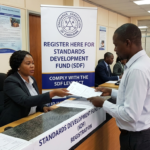 Registering with the SDF has become an essential requirement for businesses operating in regulated sectors, particularly those engaged in importing, manufacturing, exporting, and foreign investment in reserved industries. It is not only a statutory requirement but also a strategic tool that enables businesses to access licences, operate legally, and compete effectively both locally and internationally.
This article explores the importance of SDF registration in Zimbabwe, highlighting its mandatory nature, requirements, applicable rates, liability, and its role in enhancing business growth, compliance, and national economic development.
What is the Standards Development Fund (SDF)?
The Standards Development Fund (SDF) is a levy collected from businesses to finance the development, implementation, and enforcement of national standards. These standards ensure that goods and services produced, imported, or traded within Zimbabwe meet defined quality, safety, and performance benchmarks.
The fund supports:
- Development of Zimbabwean standards
- Certification and quality assurance systems
- Testing and product inspection processes
- Alignment of Zimbabwe’s standards with international and regional frameworks
By contributing to the SDF, businesses play a role in maintaining a robust quality infrastructure system, which is essential for economic growth and consumer protection.
Is SDF Registration Mandatory?
Yes, registration with the SDF is mandatory for businesses operating in sectors regulated by the Ministry of Industry and Commerce and related authorities.
SDF registration is particularly required in the following scenarios:
- Application for import licences
- Participation in reserved sectors, especially by foreign-owned companies
- Engagement in manufacturing, exporting, or distributing regulated goods
- Compliance with statutory requirements of the Standards Association of Zimbabwe
Without proof of SDF registration:
- Import licence applications may be rejected
- Foreign investors may not be allowed to operate in certain sectors
- Businesses may face penalties or regulatory delays
Therefore, SDF registration is a non-negotiable requirement for conducting formal business activities in Zimbabwe.
Who is Liable to Pay SDF?
SDF liability applies to a broad category of economic participants, including:
1. Importers
Any entity importing goods into Zimbabwe is required to register with SDF and pay the applicable levy. This ensures that imported goods meet national standards.
2. Manufacturers
Local manufacturers must contribute to SDF as they produce goods that need to comply with established standards.
3. Exporters
Exporters may also be required to register, particularly if certification or compliance with standards is necessary for international markets.
4. Distributors and Traders
Businesses involved in the sale and distribution of goods may fall under SDF requirements depending on the nature of their operations.
5. Foreign Investors
Foreign-owned businesses operating in reserved sectors must demonstrate SDF compliance as part of regulatory approval processes.
In general, any business engaged in activities requiring standardisation or regulatory oversight is liable for SDF registration and contributions.
Requirements for Registering with SDF
To register with the Standards Development Fund in Zimbabwe, businesses are typically required to provide the following:
1. Company Registration Documents
- Certificate of Incorporation
- CR14 / CR6 forms (or equivalent company structure documents)
2. Tax Clearance Certificate
- Valid ZIMRA Tax Clearance (ITF 263)
3. Business Details
- Physical and postal address
- Nature of business activities
- Description of goods or services
4. Import/Export Documentation (if applicable)
- Importer/exporter registration details
- Bills of entry or trade-related documentation
5. Proof of Payment
- Evidence of SDF levy payment
6. Application Forms
- Completed SDF registration forms from SAZ or relevant authorities
The process ensures that the business is formally recognised within the standards compliance system.
SDF Rates and Structure
General SDF Levy
The SDF levy is generally calculated as a percentage of the value of goods, particularly for imports. While rates may vary depending on policy updates, the typical framework includes:
- 0.5% of the value of imported goods (Cost, Insurance, and Freight – CIF value)
This means that for goods imported into Zimbabwe, the importer pays 0.5% of the total landed cost as an SDF contribution.
Minimum and Special Rates
- In some cases, a minimum fee may apply for small consignments
- Certain strategic or regulated goods may attract specific rates determined by authorities
- Exemptions or adjustments may apply in special circumstances, such as government projects or specific sectors
Payment Mechanism
SDF is often collected:
- At the point of import (through customs processes)
- Directly through SAZ or designated institutions
Businesses must ensure timely payment to maintain compliance.
Importance of SDF Registration
1. Access to Import Licences
One of the most critical benefits of SDF registration is its role in facilitating import licensing.
The Ministry of Industry and Commerce requires:
- Proof of SDF registration
- Evidence of compliance with standards
Without this:
- Import applications are rejected
- Businesses cannot legally bring goods into the country
Thus, SDF registration is essential for companies involved in trade.
2. Compliance with Reserved Sector Regulations
Zimbabwe designates certain industries as reserved sectors, where participation by foreign entities is restricted or regulated.
For foreign investors:
- SDF registration demonstrates compliance
- It is often required alongside other regulatory approvals
This ensures that foreign participation aligns with national economic priorities.
3. Promoting Quality and Standards
SDF contributions directly support the development of standards that:
- Ensure product safety
- Improve quality of goods
- Protect consumers
For businesses, this leads to:
- Enhanced brand reputation
- Greater customer confidence
- Reduced risk of regulatory penalties
4. Supporting Industrial Development
The fund contributes to:
- Research and development of standards
- Industrial upgrading
- Innovation in production
This strengthens Zimbabwe’s industrial base and supports long-term economic growth.
5. Enhancing Export Competitiveness
Export markets demand compliance with strict quality standards.
SDF registration helps businesses:
- Align with international standards
- Obtain certifications
- Compete in global markets
This is especially important in regional blocs such as SADC and COMESA.
6. Facilitating Government and Institutional Engagement
SDF registration improves interaction with:
- Ministry of Industry and Commerce
- Standards Association of Zimbabwe
- ZIMRA and other regulatory bodies
It ensures smoother processing of:
- Licences
- Permits
- Certifications
7. Access to Business Opportunities
Many government tenders and contracts require proof of compliance, including SDF registration.
Benefits include:
- Eligibility for public procurement
- Increased business opportunities
- Enhanced credibility
8. Formalisation of Businesses
SDF registration encourages businesses to operate within the formal sector.
This provides:
- Access to financing
- Eligibility for incentives
- Improved corporate governance
9. Protection Against Substandard Goods
The fund supports enforcement mechanisms that:
- Prevent entry of low-quality imports
- Ensure fair competition
- Protect legitimate businesses
By complying with SDF, businesses contribute to a more stable and fair market environment.
10. Risk Management and Legal Protection
Non-compliance can result in:
- Fines
- Licence rejection
- Business disruptions
SDF registration reduces these risks and ensures legal security.
Challenges Associated with SDF
While SDF registration is essential, businesses may encounter challenges such as:
- Financial burden of the levy, particularly for small businesses
- Administrative processes
- Limited awareness among new entrepreneurs
However, these challenges are outweighed by the long-term benefits of compliance and market access.
Conclusion
Registering with the Standards Development Fund (SDF) is a fundamental requirement for doing business in Zimbabwe. It is mandatory, widely applicable across industries, and directly linked to key processes such as import licensing, participation in reserved sectors, and regulatory compliance.
With a standard levy structure—typically around 0.5% of the value of goods—and clear registration requirements, SDF ensures that businesses contribute to the development of a strong national standards system. This system supports quality assurance, industrial growth, and international competitiveness.
For both local and foreign businesses, SDF registration is not merely a compliance obligation but a strategic investment. It enables access to markets, enhances credibility, and positions companies for sustainable growth within Zimbabwe’s evolving economic environment.
In an increasingly standards-driven global economy, businesses that prioritise SDF compliance are better placed to succeed, expand, and contribute meaningfully to Zimbabwe’s development.