
In Zimbabwe, the landscape for non-profit and charitable work has undergone significant transformation with the enactment of the Private Voluntary Organisations Amendment Act [Act 1 of 2024]. This law has tightened the strings on how NGOs, charities, and even some trusts operate, making formal registration more critical—and complex—than ever.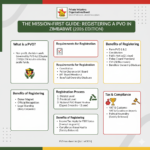
The Mission-First Guide: Registering a PVO in Zimbabwe.
1. What is a PVO and What Legislation Guides It?
A Private Voluntary Organisation (PVO) is any body or association of persons (corporate or unincorporate) whose primary objects include providing for the material, social, or physical needs of persons/families, rendering charity, or uplifting living standards.
The governing legislation is the Private Voluntary Organisations Act [Chapter 17:05], as heavily amended by the PVO Amendment Act of 2024.
Crucial Change: The 2024 amendments expanded the definition to include “legal arrangements” like Trusts that collect contributions from the public. If you are a Trust doing the work of a charity, you are now legally required to register as a PVO.
2. Requirements for Registering a PVO
Registration is a multi-step process that moves from the local community level up to the national Board.
The Documentation Checklist:
-
Form PVO 1 & PVO 2: The official application forms (purchasable at the Ministry of Social Welfare).
-
The Constitution: A robust document outlining your name, objectives, and internal governance.
-
Proof of Public Notice: You must publish a notice in a national newspaper (circulating in your area of operation) at your own expense. The public then has 21 days to lodge any objections with the Registrar.
-
Police Clearance: Fingerprints and criminal clearance certificates for all executive committee members.
-
Curriculum Vitae (CVs): Detailed CVs for all board members.
-
Beneficial Ownership Disclosure: Under the 2024 law, you must disclose any “beneficial owners” or “controllers”—individuals who exert significant influence over the organization.
3. The Registration Process: Step-by-Step
-
District Level: Submit your application to the District Social Services Office in your headquarters’ area. They will interview the applicants and assess the constitution.
-
Provincial Level: The application is forwarded to the Provincial Office for further scrutiny.
-
National Level (The Board): The application finally reaches the PVO Board in Harare.
-
The Wait: Expect a timeline of 3 months to a year. While the application is pending, you are generally not allowed to collect public contributions unless you have specific provisional permission.
4. Benefits of Registering as a PVO
Despite the rigorous process, being a registered PVO remains the “Gold Standard” for NGOs:
-
Donor Magnet: Almost all major international donors (USAID, EU, UN) require a PVO certificate before releasing grants.
-
Official Recognition: It allows the organization to sign Memorandums of Understanding (MOUs) with government ministries and local authorities.
-
Legal Standing: The PVO becomes a body corporate, able to sue, be sued, and hold property in its own name.
5. Tax and Compliance Implications
Operating a PVO comes with strict fiscal and administrative oversight:
Tax Implications
-
Income Tax: PVOs can apply to ZIMRA for Public Benefit Organisation (PBO) status. If granted, the PVO’s “non-business” income (donations and grants) is exempt from Income Tax.
-
VAT & Customs: PVOs often qualify for a VAT deferment or Rebate of Duty on essential imports (like ambulances or donated medical supplies), provided they obtain a letter of support from their line ministry.
-
TaRMS: Like all entities, PVOs must register on ZIMRA’s TaRMS portal for PAYE (for employees) and other statutory obligations.
Compliance Warnings
-
Political Neutrality: The 2024 Amendment strictly prohibits PVOs from partisan political involvement. Supporting or opposing a political party can lead to immediate deregistration and criminal penalties for directors.
-
Annual Reporting: You must submit audited financial statements and an annual report of activities to the Registrar every year.
-
Anti-Money Laundering (AML): PVOs are now monitored by the Financial Intelligence Unit to ensure they aren’t used for “terrorist financing” or money laundering.