The landscape of tax administration in Zimbabwe has undergone a seismic shift with the introduction of the Fiscalisation Data Management System (FDMS) and its integration with the Tax and Revenue Management System (TaRMS). This evolution reflects a broader regional trend in the Southern African Development Community (SADC) toward “Continuous Transaction Controls” (CTCs), where tax authorities move from periodic auditing to real-time oversight.
1. Com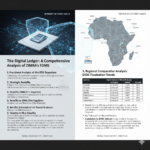 prehensive Analysis of the ZIMRA FDMS
The FDMS is an integrated backend solution designed to record and transmit transaction data from a taxpayer’s Point of Sale (POS) or accounting system directly to ZIMRA’s servers in real-time. Unlike the older “stand-alone” fiscal devices, the FDMS acts as a central hub that validates every transaction, ensures it is digitally signed, and generates a verifiable QR code.
Key Functions of the FDMS:
-
API Gateway Integration: Facilitates server-to-server communication, allowing businesses to push invoice data directly from their ERP systems (like SAP, Sage, or Xero) to ZIMRA.
-
Real-Time Validation: Every invoice is assigned a unique authentication code and QR code. This allows buyers and ZIMRA officials to verify the authenticity of an invoice instantly.
-
Automated VAT Scheduling: The FDMS feeds data into TaRMS to pre-populate Input Tax schedules. This means that if a supplier does not record a sale in FDMS, the buyer cannot “automatically” claim that VAT in their return.
-
Virtual Fiscalisation: It allows for software-based fiscalisation, eliminating the mandatory need for expensive, specialized hardware for businesses with robust ICT infrastructure.
2. Strategic Benefits: A Win-Win Perspective
Benefits to Businesses
-
Faster Refund Processing: Since ZIMRA has a real-time record of the VAT paid to a supplier, the risk profile of refund claims is lowered, leading to faster disbursements.
-
Reduced Compliance Costs: Virtual fiscalisation allows SMEs to use mobile apps or existing computers rather than purchasing high-cost physical fiscal printers.
-
Simplified Filing: The system reduces manual data entry. TaRMS pulls data from FDMS to pre-fill tax returns, reducing human error and the time spent on “reconciling” spreadsheets.
-
Level Playing Field: By curbing tax evasion, the FDMS ensures that compliant businesses are not undercut by competitors who operate “off the books.”
Benefits to ZIMRA
-
Closing the VAT Gap: The system eliminates “phantom” input tax claims (fraudulent claims based on fake invoices) and prevents the “second book” accounting method.
-
Data-Driven Auditing: ZIMRA can move away from random audits to “risk-based” audits. If a business’s bank transactions significantly exceed its fiscalised sales, the system flags it automatically.
-
Increased Revenue Collection: Real-time monitoring provides ZIMRA with immediate insights into VAT, allowing for more accurate revenue forecasting and improved collection efficiency.
3. Regional Comparison: The SADC Digital Frontier
Zimbabwe is not alone in this journey. Other nations in the Southern region have implemented variations of this system, each with different strategies:
| Country | System Name | Implementation Strategy | Key Features |
| Zambia | Smart Invoice | Software-based, replacing older physical EFDs. | Covers multiple taxes (VAT, Turnover Tax, Rental Income, etc.) and includes an Inventory Management module. |
| Tanzania | EFD System | Phased rollout (Phase I in 2010, Phase II in 2013). | Heavy focus on hardware; machines have 48-hour battery backups to handle power outages—a legacy approach compared to Zimbabwe’s virtual focus. |
| South Africa | Modernised VAT | Phased design (2026) with full rollout by 2028. | Moving toward a Peppol-style 5-corner model, where invoices flow through authorized “access points” between buyer, seller, and SARS. |
Regional Implementation Insights:
-
Zambia’s Integrated Approach: Zambia’s Smart Invoice is arguably the most advanced in terms of scope, as it tracks not just the sale, but also the movement of stock, making it nearly impossible to sell goods that haven’t been “on-boarded” into the system.
-
Tanzania’s Enforcement: Tanzania utilized a “punitive” legal framework early on, where failing to issue an EFD receipt can lead to immediate fines or imprisonment. This helped drive adoption in a large informal sector.
-
Zimbabwe’s “Matching Rule”: Zimbabwe’s unique challenge in 2026 is the strict integration between FDMS and TaRMS. The “Matching Rule”—where input tax is denied if the supplier’s invoice isn’t in the system—is a more aggressive enforcement tool than those currently used by many regional peers.
4. The “Maturity Gap” and Challenges
While the system is technically sophisticated, the “conduciveness” of the environment remains a hurdle.
-
Infrastructure: Frequent power outages and internet downtime can lead to “intermittent sync,” causing invoices to be missing from the portal when a buyer tries to claim VAT.
-
Orphaned Invoices: A significant number of transactions are currently “orphaned” because suppliers fail to capture the buyer’s Taxpayer Identification Number (TIN), preventing the automated matching.
-
The SMEs Struggle: Many small businesses still view fiscalisation as a “cost” rather than a “tool,” leading to a lag in the total number of interfaced operators.
Final Verdict
The ZIMRA FDMS is a cornerstone of Zimbabwe’s Vision 2030, transforming tax from a “post-facto” filing headache into a “real-time” digital process. While the transition has been friction-heavy for businesses due to infrastructure gaps, the long-term trajectory points toward a more transparent and efficient economy. For businesses, the message is clear: The fiscal invoice is now the only valid currency for tax recovery.